Project Leaders

Prof. Michael Campbell
Michael Campbell is the founding spokesperson of the Medipix2, Medipix3 and Medipix4 Collaborations who seek to disseminate pixel detector technology to many different fields. Michael met Becky Parker from the Simon Langton School in 2007 leading to the first use of Timepix devices in schools. In 2016, he was appointed Honorary Professor at the University of Glasgow. He is the 2025 recipient of the IEEE NPSS Glenn Knoll Radiation Instrumentation Outstanding Achievement Award for his work on hybrid pixel detectors. Now in pre-retirement from CERN, he remains active in teaching and research at the Helsinki Institute of Physics.
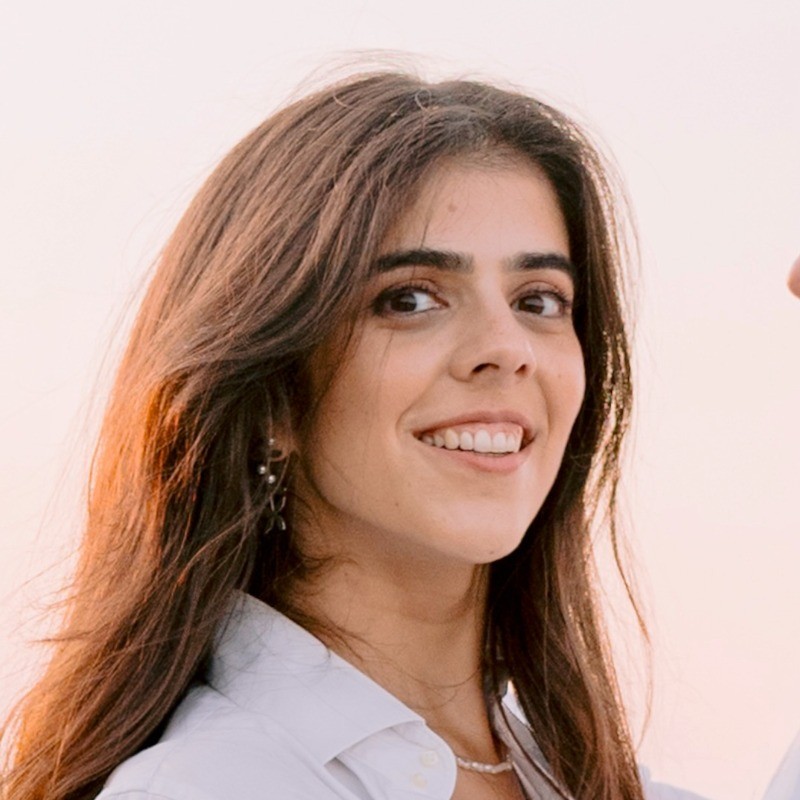
Dr. Ana Rita Pinho
Rita works as a Knowledge Transfer Officer at CERN, where she focuses on maximizing the societal impact of CERN technologies through partnerships. She also serves as Business Development Manager for the Medipix collaboration and is one of the Project Leaders of the TIMEPIX@school initiative.
Trained as a biomedical engineer with a PhD in Ophthalmology and Regenerative Medicine from UCL, and an Associate Fellow of the Higher Education Academy, she brings multidisciplinary expertise. Rita usually defines herself as an engineer by training, a biologist by heart, passionate about education, innovation, public engagement, and public policy. She is committed to making science more accessible, collaborative, and impactful through stakeholder engagement and participatory approaches.
Dr. Rafael Ballabriga
Rafa is Spokesperson of the Medipix2 and Medipix3 Collaborations. He joined the CERN microelectronics group in 2004 as PhD student to work on the design and characterization of hybrid pixel detectors. In 2013 he received the IEEE Nuclear and Plasma Sciences Society Radiation Instrumentation Early Career Award. Rafa holds three patents and has authored or co-authored more than 100 peer-reviewed publications. In 2017 he started, together with secondary school teachers, an educational initiative named ADMIRA in Barcelona, Spain, to bring Timepix detectors to the classrooms. ADMIRA has currently 35 participating institutes and was awarded the “IX concurso de divulgación CPAN” in 2019.
Scientific Education Officer
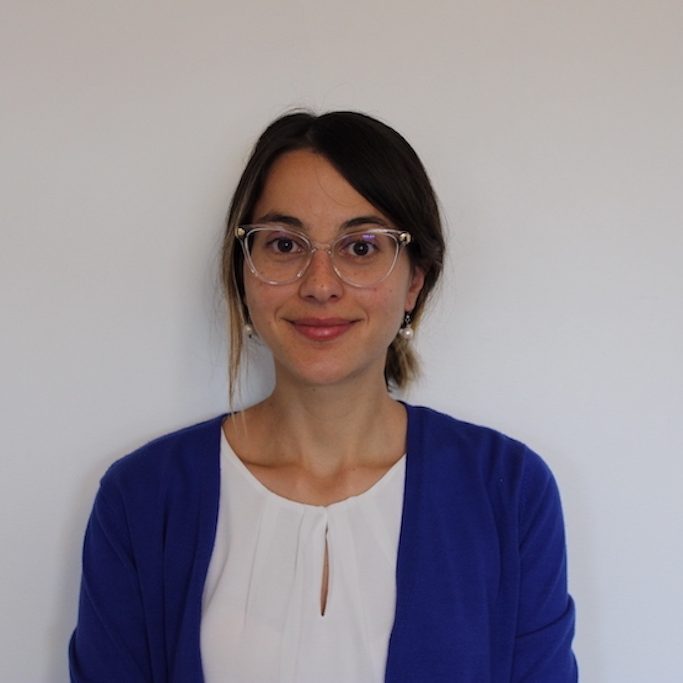
Panagiota (Yiota) Chatzidaki
Yiota grew up in Crete, Greece. She holds a Diploma in Applied Mathematical and Physical Sciences from the National Technical University of Athens and an MSc in Particle Physics from the University of Heidelberg, with both thesis projects conducted at CERN. In 2022, she began her PhD in Physics Education Research at CERN in affiliation with Uppsala University, on the design and evaluation of Digital Learning Modules (DLMs) about CERN-related physics topics and applications. She served as a member of the CERN Science Gateway Labs team for two years, co-developing and facilitating science workshops for students and the general public. She currently coordinates the TIMEPIX@school programme.
Advisory Board

Becky Parker, MBE: Physics Teacher | Founder of CERN@school | Project Earth Director
Becky has taught physics for many years and has always seen the phenomenal potential of young people. She and her students had the wonderful chance to work with the Medipix collaboration when they visited CERN in 2007 and she established the CERN@school programme in 2008. Her students put a payload in space on TechDemoSat-1 to monitor cosmic radiation using Timepix chips and published their results and presented them to NASA. In 2015 Becky founded the Institute for Research in Schools to support young people doing genuine research at school. Her focus now as well as teaching, is on empowering young people to release their imagination and creativity for the planet and Project Earth www.projectearth.global aims to support young people globally to do that.
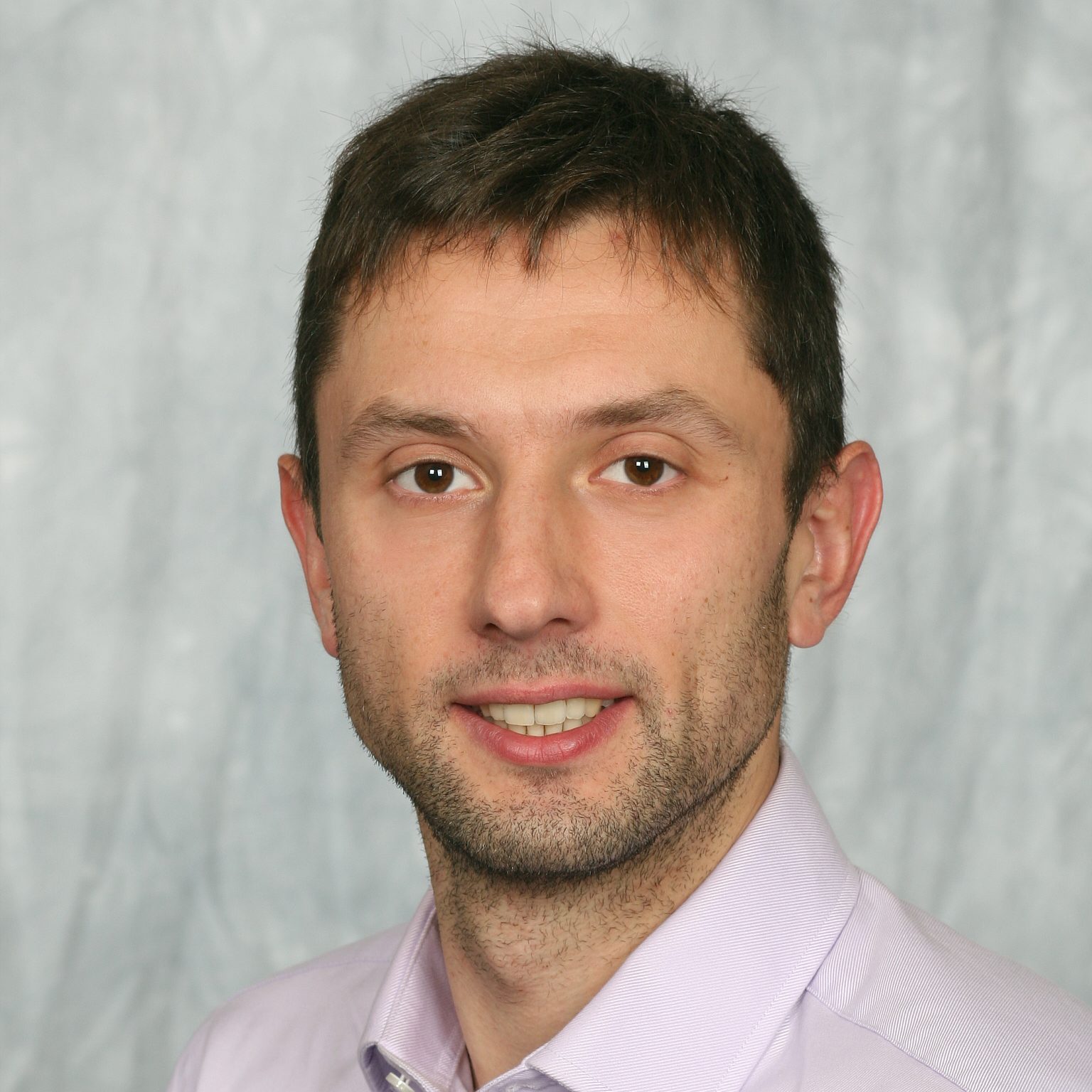
Dr. Benedikt Bergmann: Department Head, IEAP CTU in Prague
Benedikt Bergmann specializes in ionizing radiation–matter interactions and hybrid pixel detector technologies for particle discrimination. His work focuses on high-energy physics, accelerator environments, and space radiation. He received his Ph.D. in 2019 from the Erlangen Centre for Astroparticle Physics, University of Erlangen–Nuremberg, and became Head of the Electronics and Software Department at the Czech Technical University in Prague in 2020.
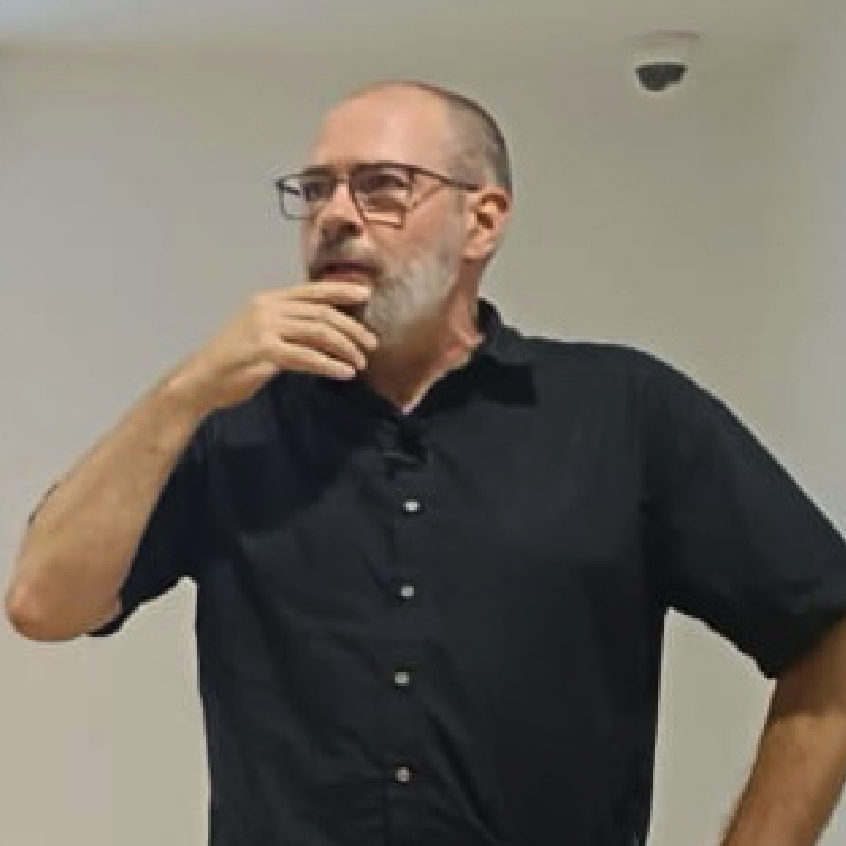
Daniel Parcerisas: Physics Educator | Co-Founder and Pedagogical Coordinator of ADMIRA Project
Daniel is a Secondary and High School Physics and Mathematics teacher at Sagrada Familia-Gava, a school in the Barcelona area, Spain. As co-founder of the ADMIRA project, he coordinates its pedagogical area, leading teacher training initiatives and supporting the integration of contemporary physics into school curricula. His work centres on bringing particle physics and radioactivity into the classroom through inquiry-based approaches and the use of Medipix detectors, enabling students to engage with authentic experimental data. Particularly interested in conceptual modelling in modern physics, Daniel seeks to bridge the gap between cutting-edge research and meaningful classroom practice, while empowering teachers to confidently approach advanced physics topics.
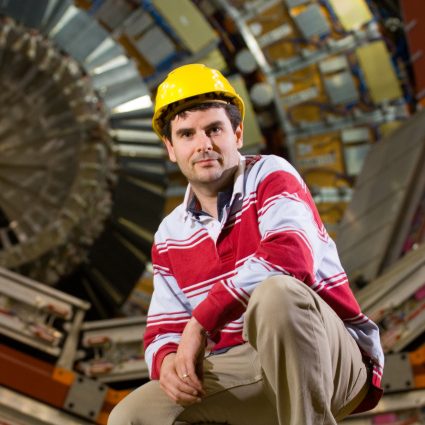
Dr. Dave Barney: Technical Coordinator for the CMS HGCAL project | Head of CMS External Communication
Dave is a CERN Applied Physicist who has been designing, building and operating detectors for the CMS experiment since 1994. He was CMS Outreach Coordinator from 2000 until 2012, IPPOG co-chair 2009-2012, QuarkNET advisor for many years, and is currently head of CMS External Communications (as well as being Technical Coordinator for a CMS calorimetry upgrade project). Enthusing young minds about CERN’s research has always been a key factor in Dave’s activities, especially “seeing the invisible”, the links between the infinitely small and the infinitely large, and how precise measurements of rare phenomena help us unlock the secrets of the Universe.

Dr. Julia Woithe: CERN Head of Education
Julia is the Head of Education at CERN, where she leads and coordinates all education programmes and activities for school students and their teachers. Her portfolio spans both on-site and online initiatives, including education activities at CERN Science Gateway, teacher professional development, the Beamline for schools competition, and digital learning experiences.
Originally trained as a physics and mathematics teacher, Julia completed a PhD in physics education research, focusing on evaluating the impact of hands-on learning laboratories for high-school students in the context of the S’Cool LAB project at CERN. From 2020 to 2025, she served as Education Lead at CERN Science Gateway. She is a passionate physics educator who combines research-informed practice with creative problem-solving to design engaging and meaningful science learning experiences.
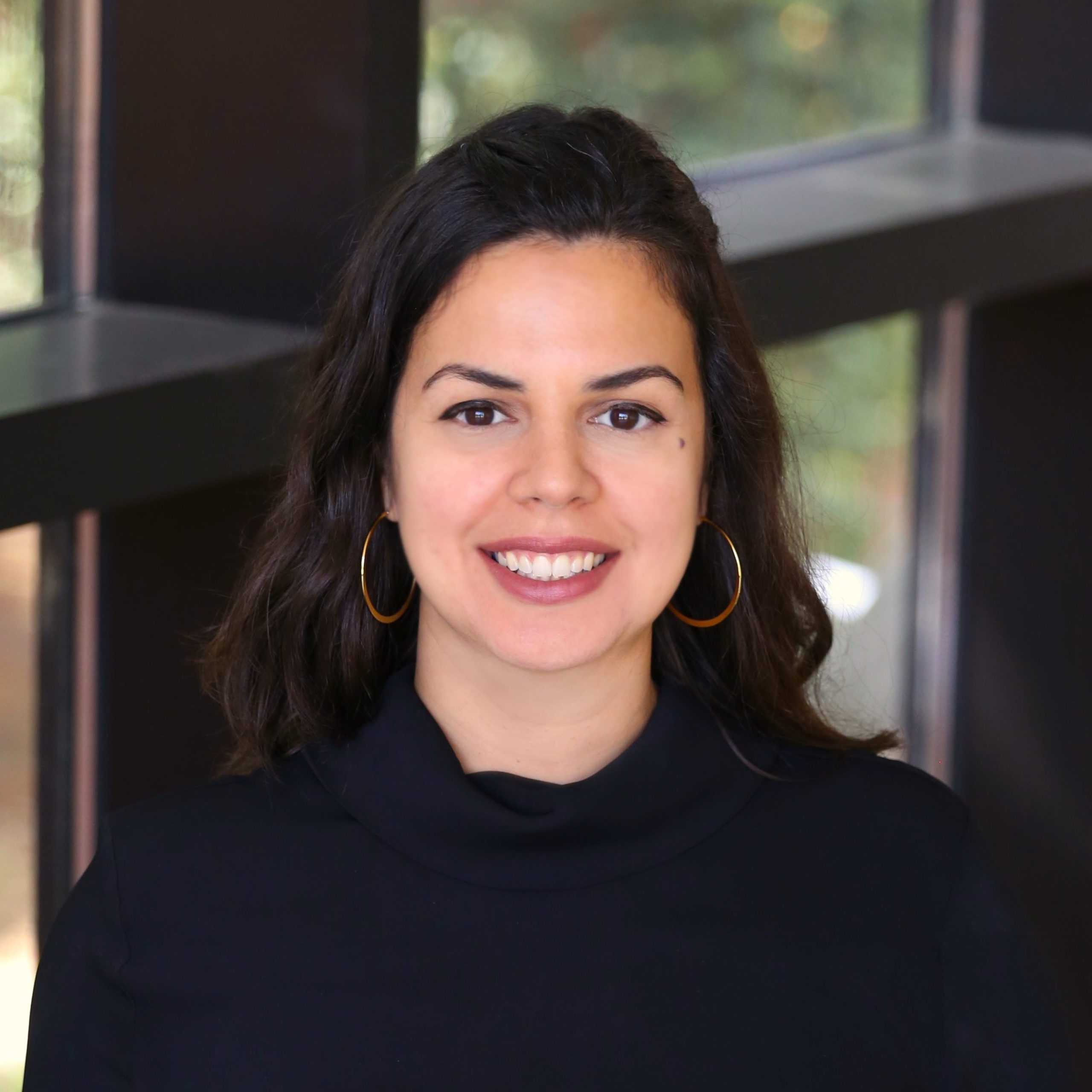
Dr. Lara Perez-Felkner: Professor of Higher Education & Sociology
Dr. Lara Perez-Felkner is Professor of Higher Education and Sociology at Florida State University, and a leading international scholar of gender equity across scientific education and career pathways. Extensively published in leading journals and presses, she holds leadership roles on editorial, grants, and professional boards shaping research agendas across higher education and STEM fields. Her work advances understanding of how institutions cultivate, recognize, and sustain talent across scientific pathways. Through collaboration with universities and research communities, she develops evidence-informed strategies that strengthen research cultures, widen participation, and support girls’ and women’s long-term engagement and progression in science and engineering.
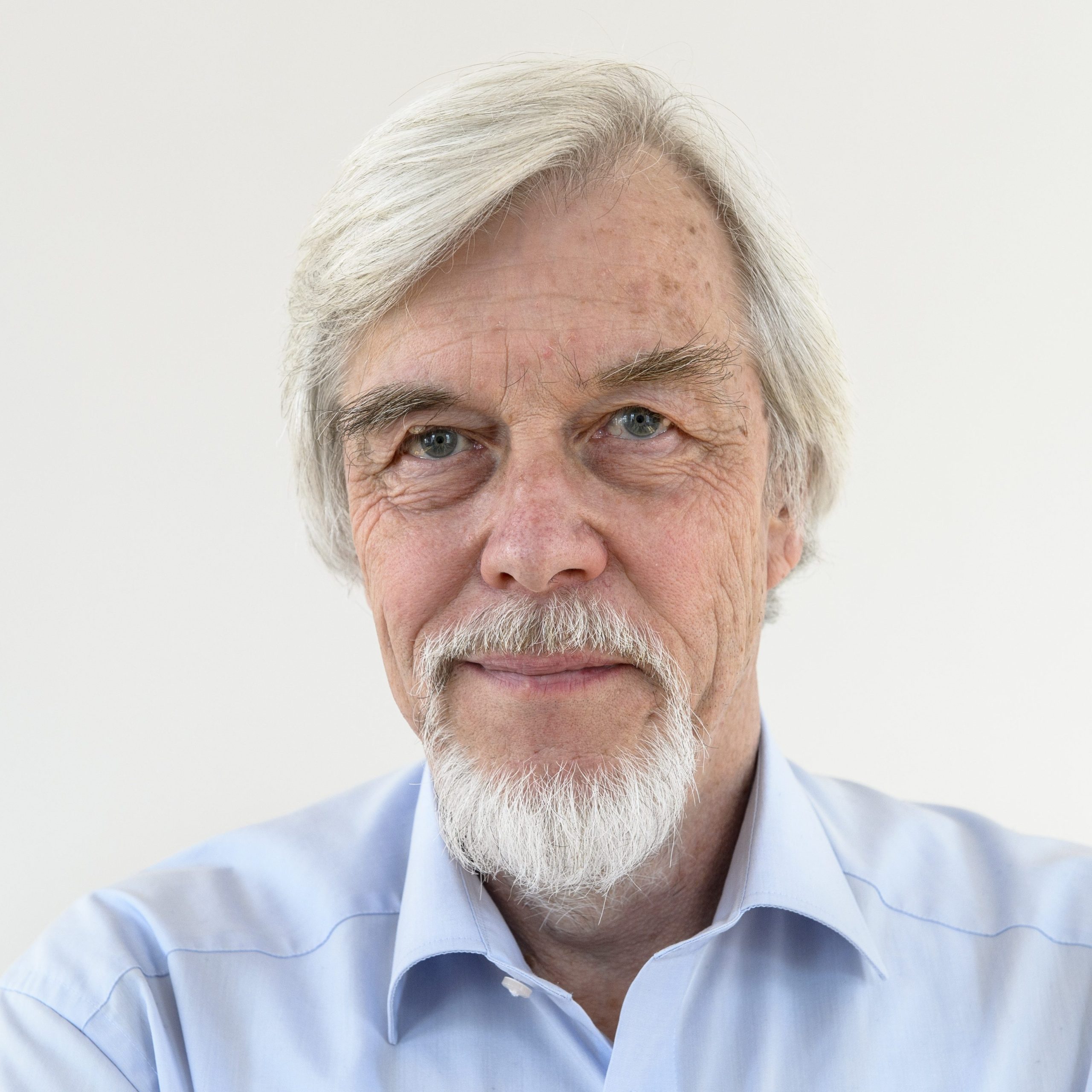
Prof. Rolf Heuer: President Council of SESAME
Rolf Heuer is an experimental particle physicist and has been CERN Director-General from January 2009 to December 2015. His mandate is characterized by the start of the Large Hadron Collider (LHC) 2009 as well as its energy increase 2015, the discovery of the H-Boson and the geographical enlargement of CERN Membership. From 2016 until 2018, he was the President of the German Physical Society (DPG) and for five years member of the European Commission’s Group of Chief Scientific Advisors. Since 2017 he is President of the Council of SESAME (Synchrotron-Light for Experimental Science and Applications in the Middle East).